|
For the Tourism Trade and Visitors to the Drakensberg |
| |
|
Copyright: Cathkin Booking and Management Services
|
| |
|
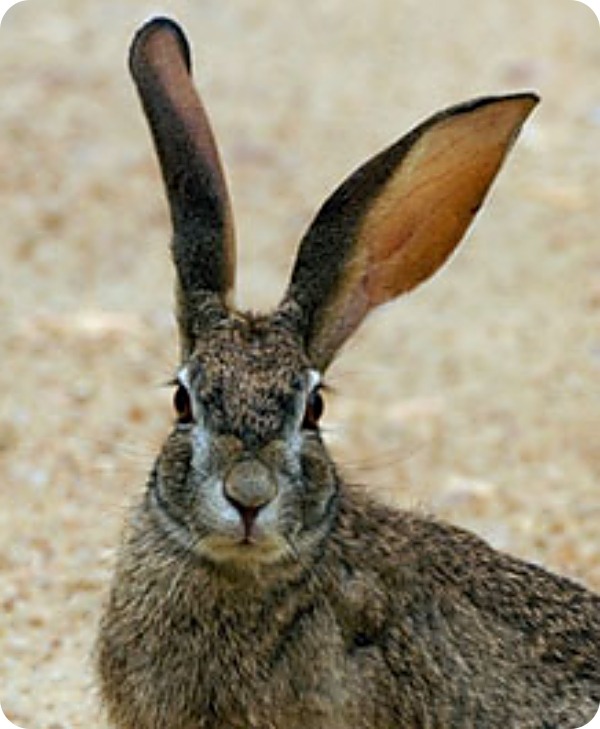
Scrub Hare (Lepus saxatilis)
Photo: Wikimedia Commons |
| |
|
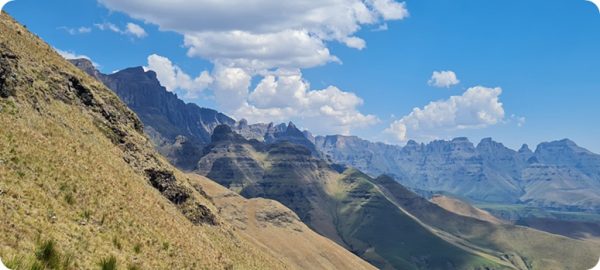
Spring in the Drakensberg is a season of renewal, when the mountains awaken from their winter stillness. Clear skies and crisp air reveal peaks still carrying the last traces of snow, while valleys transform with fresh grasses and colourful wildflowers. Streams and rivers run stronger with melted ice, bringing new energy to the landscape. Birdsong fills the air, and wildlife becomes more active across the slopes. With mild, inviting weather and longer days, this is an ideal time for hiking and exploring. Spring in the Drakensberg offers a striking blend of freshness, natural beauty, and vitality. |
| |
|
“Spring adds new life and new beauty to all that is.” — Jessica Harrelson |
| |
|
The start of a Mnweni Pass Spring |
| |
|
Contents:
- Drakensberg's Scrub Hare;
- Cleo's Pool and Bush Reserve Loop;
- The return of the Swallows;
- The burial practices of the Drakensberg San;
- A Drakensberg birding list;
- Drakensberg Events;
- Weather charts;
- Tourism directory
|
| |
|
Drakensberg's Scrub Hare(Lepus saxatilis)
|
| |
|
The Scrub Hare is a familiar inhabitant of the Drakensberg, where it ranges from the grassy lower foothills to high-altitude plateaus above 2,500 metres. It favours open montane grassland interspersed with rocks, shrubs and burnt veld, where it can conceal itself by day in shallow depressions, or “forms,” before venturing out at dusk to feed.
Its mottled grey-brown fur, white underparts and distinctive black ear tips provide excellent camouflage against the Drakensberg’s basalt slopes and winter-browned grasslands. When startled, it relies on explosive bursts of speed, darting away in zig-zag patterns to outmanoeuvre predators.
Scrub Hares in the Drakensberg are most active at night and in the early hours of the morning. Their diet is dominated by grasses, supplemented by herbs, shoots and occasionally shrubs. Like other hares, they re-ingest special droppings called cecotropes, which allow them to extract maximum nutrients from tough mountain grasses.
They are mainly solitary, though several individuals may forage in the same area where grazing is good. Breeding occurs throughout the year, with a peak in the rainy season when food is abundant. Leverets are born fully furred with open eyes and are left in separate hiding spots, visited only briefly by the mother to suckle. This adaptation reduces the risk of predation.
In the Drakensberg, natural predators include Caracal, Black-backed Jackal, Serval and large owls such as the Cape Eagle-Owl. Road collisions also take a toll. Fire plays a mixed role: cool, patchy burns can create fresh grazing, while extensive, hot fires reduce cover and temporarily lower hare numbers.
Although widespread and not threatened, the Scrub Hare is an integral part of the Drakensberg ecosystem, sustaining carnivores and raptors while thriving in the region’s dynamic grassland environment. |
| |
|
Organ's Pipes Hike Spring |
| |
|
Cleo's Pool and Bush Reserve Loop
|
| |
|
Located in the scenic Champagne Valley, Cleo’s Pool and Bush Reserve Hike offers a half-day journey through natural beauty, cultural heritage, and inviting swimming spots. This moderate hike typically takes three to four hours and is ideal for families, casual walkers, and anyone looking to explore the Drakensberg foothills.
The hike can begin from Dragon Peaks Resort, Drakensberg Sun, or Bergview Estate. From the start, the trail winds through the Bush Reserve, an area abundant in indigenous plants and birdlife. During summer, the forest comes alive with butterflies, sunbirds, and the calls of vervet monkeys, creating a fully immersive nature experience.
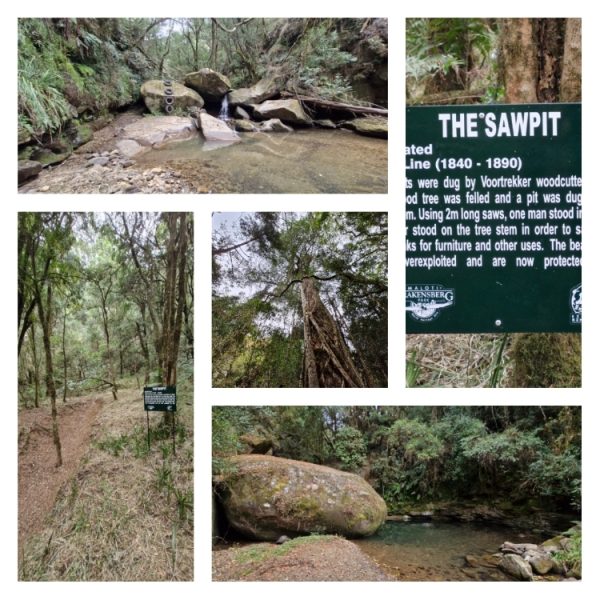
A key highlight is the montane forest section, where hikers pass under the towering canopies of ancient Yellowwood trees. These magnificent trees are hundreds of years old and form an essential part of the region’s natural heritage. Along the trail, visitors will also notice old pioneer saw pits, which serve as reminders of the area’s historical timber harvesting.
The first notable stop is Cleo’s Pool, a crystal-clear natural pool fed by a waterfall cascading in a natural slide-like formation. It provides an ideal swimming spot during warm months, framed by smooth rock formations and dramatic cliffs. Following this, hikers reach Kaybar’s Shelter, an ancient burial site connected to both Nguni and San people. A short distance beyond is Moonies Pool, a calm, shaded stretch of water perfect for a brief rest or a refreshing dip. For those interested in learning more about Kaybar’s Shelter, a detailed description is available in the accompanying newsletter.
Hikers have two options for the return route. The recommended path loops upward toward Bergview after Moonies Pool, offering elevated views of the Champagne Valley. The alternative route near Mount Champagne is overgrown and not currently advised for use.
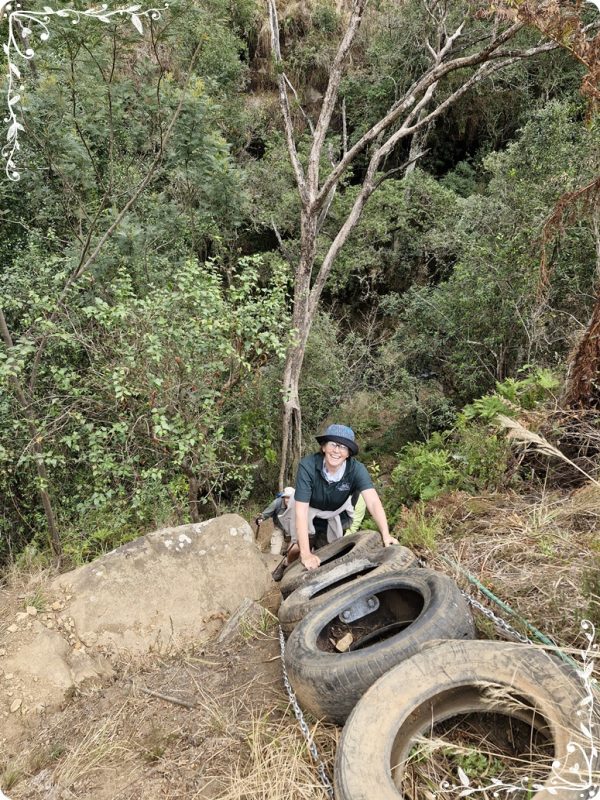
KZN Wildlife’s Monks Cowl Honorary Officer Section support this trail and maintains it. They have marked key features such as the saw pits and Moonies Pool, ensuring that visitors can safely enjoy both the natural and cultural highlights. Additionally, they recently repaired the tyres and chain ladders on this route.
The Cleo’s Pool and Bush Reserve Hike combines forest splendour, cultural history, and refreshing water features, making it one of the Champagne Valley’s most rewarding and accessible walking experiences.
Start Your Journey
To book a guided hike or learn more about this route, get in touch:
james@cathkinmanagement.com
|
| |
|
Bannerman's Hut and Bannerman's Pass |
| |
|
Camp Site at the base of Langalibalele Pass |
| |
|
The Return of the Swallows
|
| |
As the winter frost lifts from the Drakensberg valleys, the skies begin to stir with movement. Arcing and diving with effortless grace, the swallows return, heralding the change of season. Their arrival is one of the surest signs that spring has settled over the mountains.
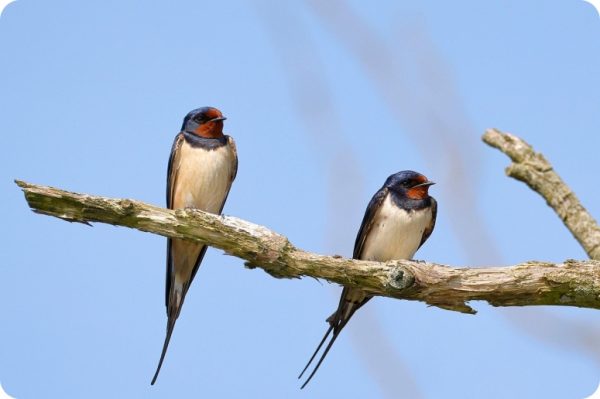
Among the most familiar of these migrants is the Barn Swallow (Hirundo rustica), a small bird with a deep-blue back, russet throat, and long forked tail. After spending the northern summer breeding across Europe and Asia, they embark on an epic journey—flying thousands of kilometres south to reach the grasslands and wetlands of KwaZulu-Natal. By early spring, they can be seen gliding low over pastures, vleis, and riverbanks in search of insects.
The Drakensberg offers them rich feeding grounds. Warmer days bring a surge of insect life, and the swallows’ agile flight, twisting and swooping in quick succession, transforms this abundance into a mesmerising aerial display.
For rural communities and mountain dwellers, the return of the swallows has long marked the turning of the seasons. Farmers look upon them as allies, consuming countless midges and flies, while hikers and nature lovers welcome their acrobatic flights as proof that the long nights of winter are fading.
Though other migratory birds also reappear in spring—the Yellow-billed Kite and White Stork among them—the swallow’s numbers and restless activity make them the most visible heralds of the season.
One of the most remarkable sights in the Drakensberg is the evening roost. As daylight wanes, swallows gather in great flocks above wetlands and reedbeds, circling in fluid, shifting formations. For a few minutes, the sky itself seems alive with movement before the birds drop as one into the reeds, where they find warmth and safety for the night.
Despite their abundance, swallows face pressures across their migratory route. The loss of grasslands and wetlands, the heavy use of pesticides, and changing climate patterns are all threats that may disrupt their cycles. Protecting their feeding and roosting grounds in the Drakensberg remains vital to ensuring that these migrations continue.
Each spring, the swallows reconnect the Drakensberg with far-off landscapes and distant summers. Their presence is both local and global, a reminder that the rhythms of nature cross continents. To see their dark silhouettes skimming against the mountain backdrop is to be reminded of endurance, return, and renewal—the timeless spirit of spring in the Drakensberg.
|
| |
|
The Burial Practices of the Drakensberg San
|
| |
|
Redrawn A.Y. Mayson (1933) illustration of an ancient burial 'tomb' in Cathkin Park |
| |
The San of southern Africa observed distinctive burial customs, revealed through archaeological investigations in regions such as the Western Cape, KwaZulu-Natal, and parts of Zimbabwe. Although specific practices varied across time and place, several consistent features have been documented.
San communities or their forebears often buried their dead in rock shelters, beneath overhangs, or in caves. These locations provided natural protection and were sometimes associated with living areas or sites of symbolic importance. Well-known examples include Nelson Bay Cave in the Western Cape and Border Cave in KwaZulu-Natal.
The deceased were typically interred in a tightly flexed, fetal-like position, with knees drawn up to the chest and arms wrapped around the legs. This posture is believed to symbolise a return to the earth or the womb, echoing themes of rebirth and cyclical life. Some Nguni tribes used a similar form of internment.
Graves were usually shallow pits dug into the floor of the shelter or cave, just deep enough to contain the body in its crouched position. After burial, the body was sometimes covered with soil, stones, or flat rocks to protect it and mark the grave.
Red ochre, a substance rich in symbolic meaning across southern African cultures, was frequently sprinkled on the body or around the grave. In some burials, they included simple grave goods such as shell beads, ostrich eggshell fragments, or stone tools. These have been recovered from sites such as Nelson Bay Cave and Border Cave, indicating a degree of ritual behaviour or symbolic expression.
Burial sites often display signs of ritual care. The presence of ochre and personal ornaments suggests beliefs about the spiritual world, the role of ancestors, and the journey after death. Although evidence of formal ceremonies is limited, these symbolic elements reflect a broader worldview shaped by respect for the dead and the unseen.
The Champagne Valley or Cathkin Park area is an area which has a wide range of ancient Nguni burial sites. Some of these were excavated by archaeologists and paleoanthropologists as far back as the 1930s. These graves have revealed that the Amazizi lived in this area as far back as 1000 years before present (BP), and that the Amangwane later resided in this area when they marauded the region at the beginning of the 18th Century. They were later banished from this area by Zulu impis before the arrival of the Voortrekkers and British Settlers.
One of the nine burial sites excavated by the Witwatersrand team in the Cathkin Park area in the 1930s was Kaybar's Shelter, located in the Bush Reserve Conservation Area. The remains discovered form part of the Raymond A. Dart Archaeological Human Remains Collection at the University of the Witwatersrand. Mr V. Kaybar was the Manager of the Cathkin Peak Hotel at the time. He was fascinated by the ancient Iron Age homesteads and grave sites that exist in the area. He requested Raymond Dart to undertake the archaeological work that was done. Kaybar's shelter was named after him.
The excavation revealed two tombs, one of which contained the burial site of a child and the partial remains of an individual. The other tomb contained the skeleton of what was believed to be an AmaZizi male with some San admixture. The AmaZizi had very peaceful relations with the Drakensberg San and sometimes intermarried.
Anja Meyer, Rita Peyroteo‑Stjerna, Cecile Jolly, Carina M. Schlebusch, and Maryna Steyn recently or in 2021, reassessed these remains and the remains from the other sites excavated in the 1930s in terms of ages, health, diet, and identities, using more modern techniques such as radiocarbon dating, osteology, and stable isotopes.
They concluded that these remains may predate the Amazizi and may have been from an older Nguni tribe. The older burial suggests that population movements into the interior from KwaZulu-Natal occurred earlier than previously understood, or well before 1,000 BP, and that what was previously believed to be the time they moved into the Northern and Central Drakensberg was actually earlier.
|
| |
|
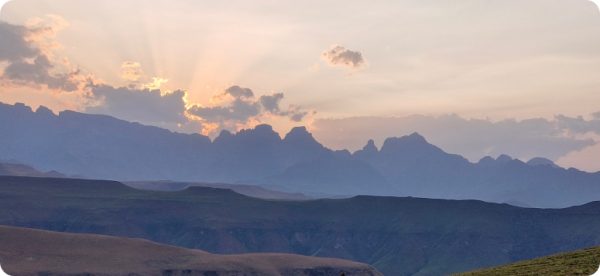
Spring view from the top of Mike's Pass |
| |
|
A comprehensive list of birds in the Drakensberg has been created using information from various sources, including the Wildlife and Environment Society of South Africa, Birdlife South Africa, and Ezemvelo KZN Wildlife. The plan is to update this list regularly as the names of bird species change and provide a link for all future issues of the Drakensberg Times. The table indicates common and notable bird species in the Drakensberg. Click on the following link - Drakensberg Bird List. |
| |
|
EVENTS in the CATHKIN PARK, WINTERTON and NORTHERN DRAKENSBERG
Winterton parkrun takes place every Saturday morning from the Waffle Hut starting at 08.00. Register on www.parkrun.co.za/winterton Cannibal Cave parkrun, which takes place in the Northern Drakensberg.
Cathkin Park Walking Group takes place every Tuesday. 8.00 in Winter and 7.00 in Summer. Contact Nick 0794936424
Central Drakensberg Hiking Group Saturdays and overnight hikes. Contact James Seymour for details. 0829255508.
Cathkin Park Community Projects Run takes place on the First Friday of the month at 17.00 in Summer and 16.30 in Winter at The Nest. (April to September).
Drakensberg Boys’ Choir School has a concert on Wednesday afternoons during term times www.webtickets.co.za or 0364681012 or 0785118680.
Mountain Music Club takes place on the last Saturday of every month, from 5 pm, usually at Mac’s Café, Cedarwood Shopping Centre. Dave: 0724839049.26th Sept: Wine Comedy and Art Evening at Swallowfield Restaurant. Bookings Linieta 0634606972
30th Sept – 2nd Oct: Spring Flower Encounter (9.00 – 15.30 daily) Art Workshop. Alanna 0824287889
4th Oct: Winterton Bass Fishing Competition. Check Facebook for more details, Ross 0825582974
4th Oct:Run the Berg.All Out Adventureswww.runtheberg.co.za
16th – 19th Oct: KTM Adventure Rally at Champagne Sports Resort
25th – 26th Oct: Kudu Canter contacttamsyn@kuducanter.co.za
31st Oct – 2 Nov: Vine and View. Ardmore Guest Farm. Boking Now.info@ardmore.co.za
1st Nov: Winterton Street Market. Winterton. Contact 0825489910
5th – 7th Dec: Christmas in the Berg at the Drakensberg Boys’ Choir School.www.dbchoir.com
2026
17-19th Apr: The Oxpecker Ultrawww.theoxpecker.co.za
1st – 3rd May: Yellow billed Oxpeckerwww.theoxpecker.co.za
8th – 10th May: Red billed Oxpeckerwww.theoxpecker.co.za
15th – 17th May: African Oxpeckerwww.theoxpecker.co.za
Ann Gray
4th September 2025 |
| |
|
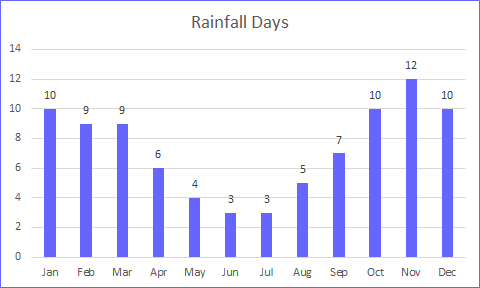
Drakensberg's Weather Charts |
| |
|
Drakensberg Tourism Directory |
| |
|